Wait Time
In this video, one educator discusses how slowing down and offering students the time they need doesn’t just support communication, but also supports building confidence, independence, and genuine engagement.
Related Content

Significant Cognitive Disabilities, ARD/IEP Supports, Instruction, Assistive Technology, Behavior, Inclusion
Administrator Companion Document to the Rubric of Effective Practices for Students with Complex Access Needs
This document provides administrators with best practices to facilitate learning for students with the most complex access needs and the evidence that they should see if practices are implemented.
View Tool/Template

Significant Cognitive Disabilities, Instruction
Building an Authentic Academic Response for Students with Complex Access Needs
Learn to work with students with no authentic academic response, creating PLAAFPs, goals and implementing best practices for academic growth.
View Course
Significant Cognitive Disabilities, Instruction
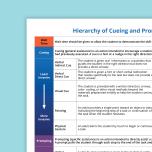
Hierarchy of Cueing and Prompting
This chart organizes the levels of support a student might need from least to most invasive.
View Document

Significant Cognitive Disabilities
Social Communication: Giving Wait Time
In this video, Ayo Jones discusses strategies for giving wait time.
View Video
